
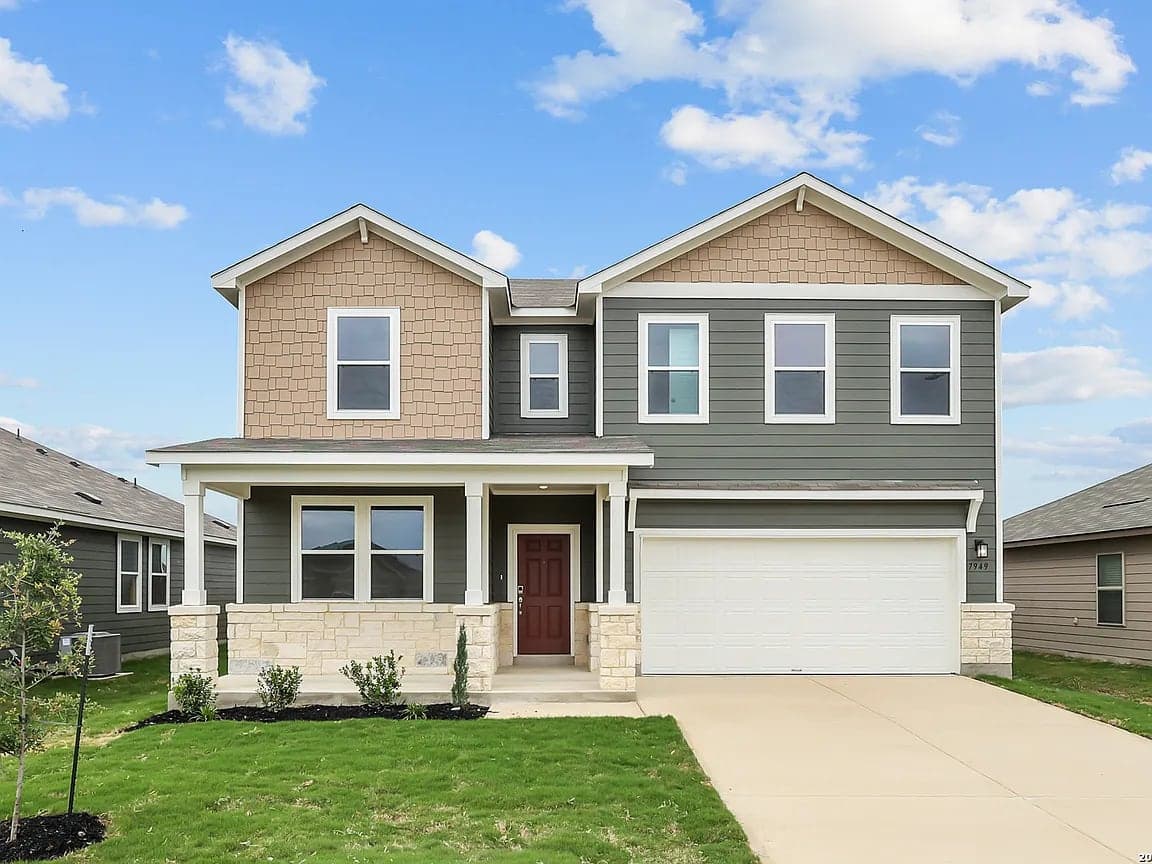
What the September numbers say
According to SABOR's September 2026 report, as covered by My Neighborhood News, the average residential rent in the San Antonio area was $1,831, with 5,067 rental listings on the market. On the ownership side, the median sale price was $302,999, down about 2 percent from a year earlier. Inside Bexar County, single-family homes had a median price of $282,680, down 4.8 percent, and 1,839 single-family homes sold, up 6 percent. Inventory across the area reached 5.95 months, homes averaged 88 days on market, and sellers received an average of 92.4 percent of their original list price. Put simply, renters have plenty of choices, and buyers have more time and more room to negotiate than they did a few years ago. Neither fact settles the decision by itself. The answer depends on your full monthly cost and how long you plan to stay.
Compare the full monthly cost, not rent to a mortgage
The most common mistake is comparing a rent payment to a principal-and-interest number from an online calculator. In San Antonio, that leaves out the costs that move the decision most. SABOR Board Chair Ed Zapata told Texas Public Radio that the bigger issue for San Antonio buyers is overall affordability, including home prices, property taxes, and insurance. A fair comparison puts your current rent and renter's insurance on one side, and on the other side the mortgage payment, property taxes, homeowners insurance, mortgage insurance if your loan requires it, HOA dues, and a monthly amount set aside for repairs. In newer subdivisions in areas like Cibolo, Schertz, New Braunfels, and the far West Side, check whether the home sits in a special taxing or assessment district, because that shows up in the tax bill, not the list price. Ask a lender for a written estimate on a specific price range, with taxes and insurance included, before you decide what you can afford.
How long you plan to stay decides most of it
Buying and selling both cost money: closing costs when you buy, and commissions, title costs, and any repairs or concessions when you sell. Those costs are spread over the years you own the home. If you expect to stay five years or more, they become a smaller share of the total, and you have more time for the loan balance to come down. If you might move in a year or two, renting often wins even when the monthly numbers look close. Military families have a specific version of this question. If you are stationed at JBSA-Lackland, Fort Sam Houston, or Randolph, the length of your orders and whether you would keep the home as a rental after your next move matter as much as the monthly payment. A home that works as a rental later gives you more options than one that only works as a sale.
What today's inventory means for a first purchase
With close to six months of inventory and homes averaging 88 days on market, a renter who is ready to buy is negotiating from a better position than buyers had a few years ago. That can mean a lower price, a seller contribution toward closing costs, or repairs handled before closing, depending on the house and your loan type. It does not mean every home is a bargain. Well-priced, move-in-ready homes in high-demand pockets of Alamo Heights, Stone Oak, Boerne, and Helotes can still draw quick offers. The Bexar County single-family median sitting below the metro median also tells you that price varies widely by area and home type, so compare closed sales on your specific streets rather than relying on a metro average.
When renting is the better call
Renting is often the right answer if your job or orders could move you within a couple of years, if you do not yet have savings for a down payment, closing costs, and a cushion for repairs, or if the full monthly cost of owning would stretch your budget. It can also make sense while you learn the city. Living in a part of town for a lease term before buying there is a reasonable plan, especially for families relocating from out of state who have not yet driven the commute at rush hour. Renting while you prepare is not a lost year if you use it to save, check your credit, and get pre-approved so you can act quickly when the right home appears.
A simple way to run your own numbers
Start with your current rent and renter's insurance. Get a written loan estimate from a lender for the price range you are considering, with property taxes, homeowners insurance, and any mortgage insurance included. Add HOA dues for the neighborhoods you like and a monthly repair reserve. Compare the two monthly totals, then add the cash you would need at closing and decide how long you expect to stay. If owning costs a little more each month but you plan to stay for many years, buying may still be the better fit. If owning costs more and your timeline is short, renting is likely the better call for now. We can pull closed sales for the neighborhoods you are considering and help you test both sides with real numbers.